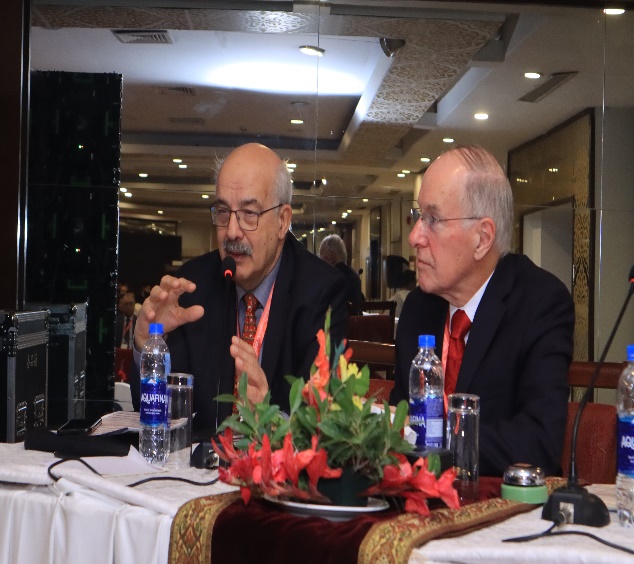
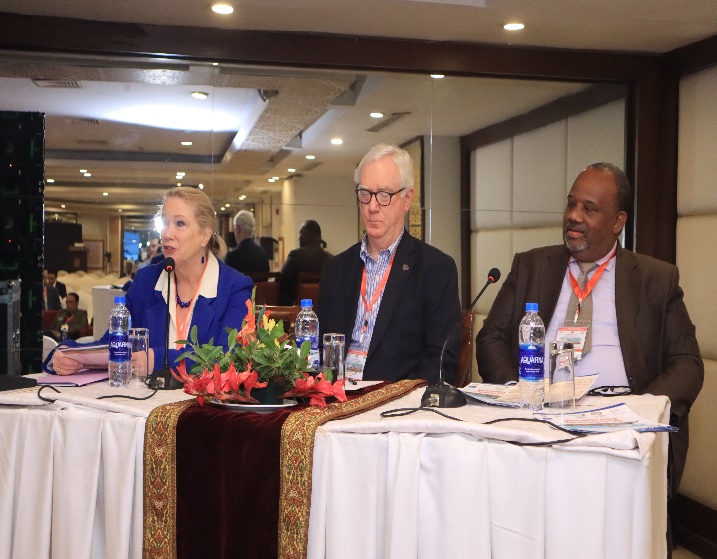
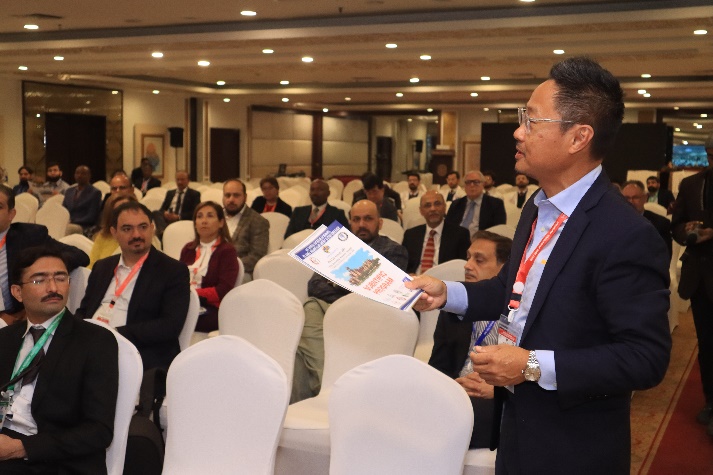
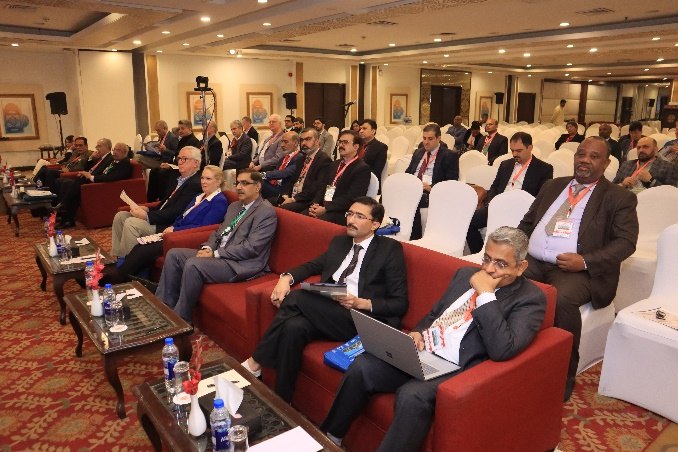
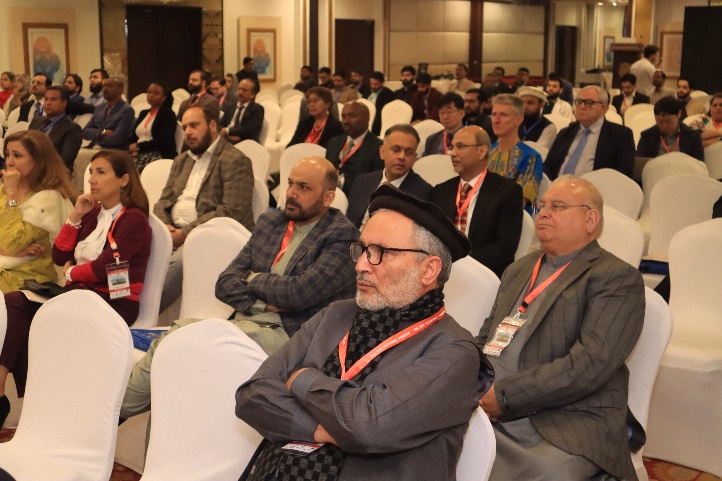
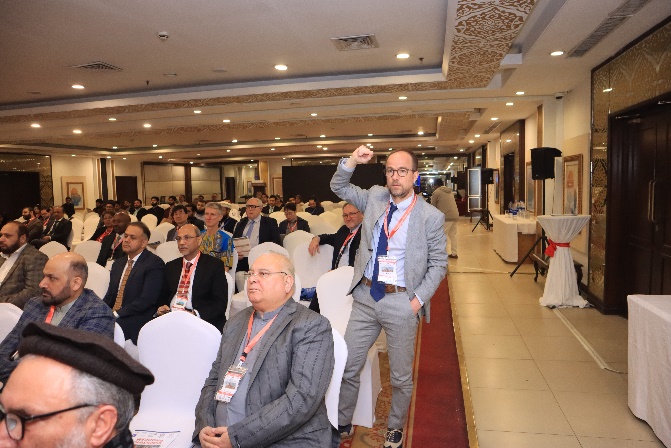
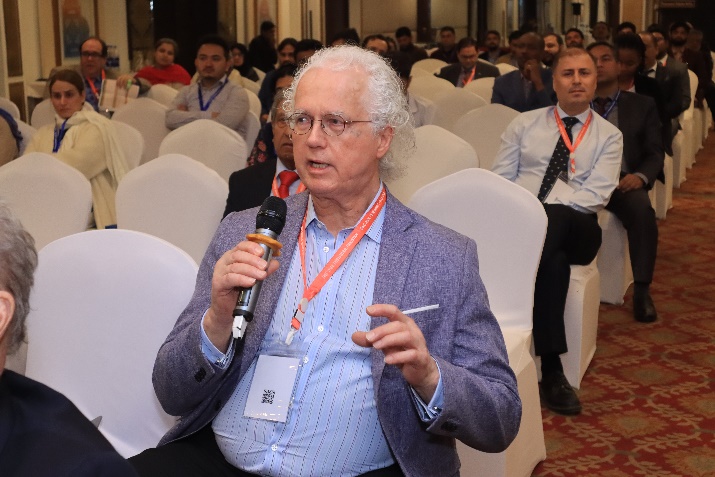
A landmark three-day programme brought international neurosurgeons, researchers, policymakers, trainees and advocates to Peshawar to examine not only advances in neurosurgical care, but the systems, partnerships and public-health priorities needed to make that care more equitable.
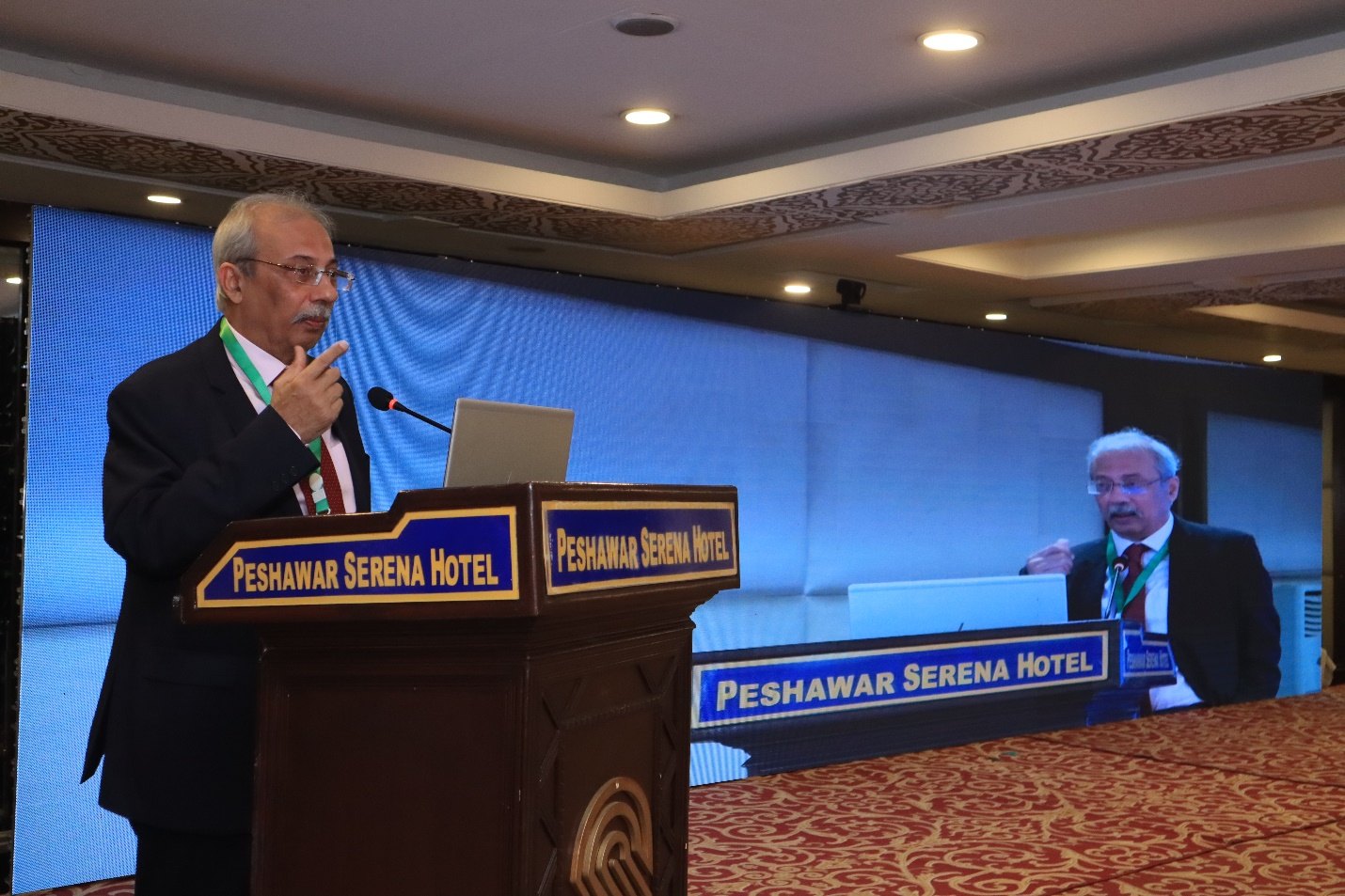
More than a scientific conference
The first WFNS International Global Neurosurgery Conference was structured as much more than a sequence of lectures. The wider programme began on 23 February with public-awareness seminars, courses, specialist workshops and a roundtable on decolonisation before moving into two days of plenary and scientific sessions.
The conference proceedings were also broadcast through Neurosurgery TV, extending the programme beyond those physically present in Peshawar.
A programme built around real surgical challenges
The scientific programme covered global neurosurgery, neurotrauma and rehabilitation, neuro-oncology, spine, paediatric and congenital conditions, vascular and stroke care, and capacity building.
Sessions examined issues ranging from the CREVICE protocol for traumatic brain injury and endoscopic brain-tumour surgery to acute spinal injury, paediatric neurosurgery, neurotechnology ethics and the establishment of services in resource-constrained settings. Discussions also addressed task sharing, pre-hospital care, the state of neurosurgery in Afghanistan, capacity building in LMICs, artificial intelligence in glioma management and structural violence in neurotrauma.
From conference dialogue to the Peshawar Statement
One of the conference's most important outputs was the Peshawar Statement on the Future of Global Neurosurgery.
The statement consolidated earlier approaches into a unified definition of global neurosurgery centred on ensuring timely, safe and affordable neurosurgical care for all who need it. It emphasized locally led champions, multidisciplinary partnerships, advocacy, capacity building, community participation, youth engagement and stronger research infrastructure.
A later academic account reported more than 800 participants and described the declaration as a key outcome of the conference, connecting clinical neurosurgery with public health, capacity development and equity.
Why Peshawar mattered
Holding such a meeting in Peshawar itself carried significance. Discussions about surgical inequity and resource-constrained health systems were not taking place at a distance from the settings most affected by those challenges.
The conference created a space in which regional experience could sit alongside international expertise.
Looking forward
The final plenary examined the future trajectory of global neurosurgery, bringing together Kee Park, Franco Servadei, Walt Johnson, Robert Dempsey, Gail Rosseau and Tariq Khan. The wider programme ended not with a claim that the challenge had been solved, but with a stronger common framework for continuing the work.
Global neurosurgery advances when technical excellence, public health, local leadership and international collaboration move together.
View programme photographs (7)