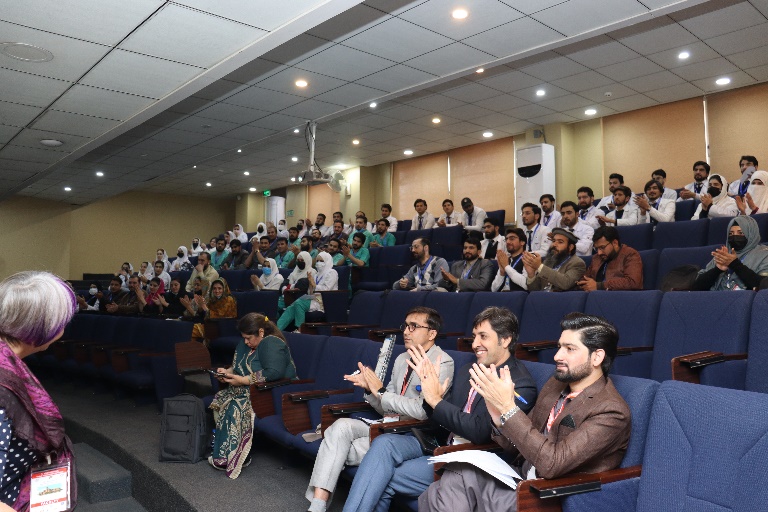
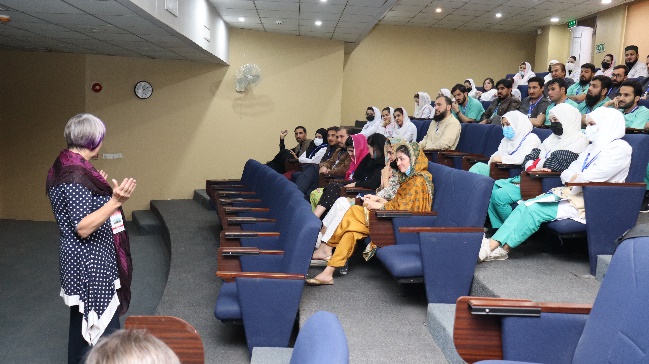
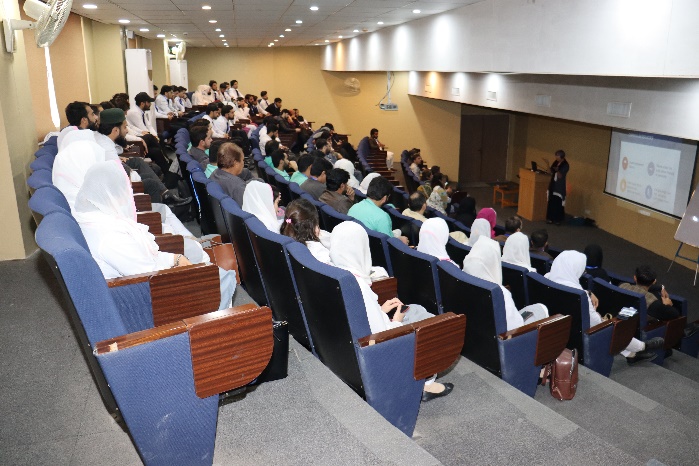
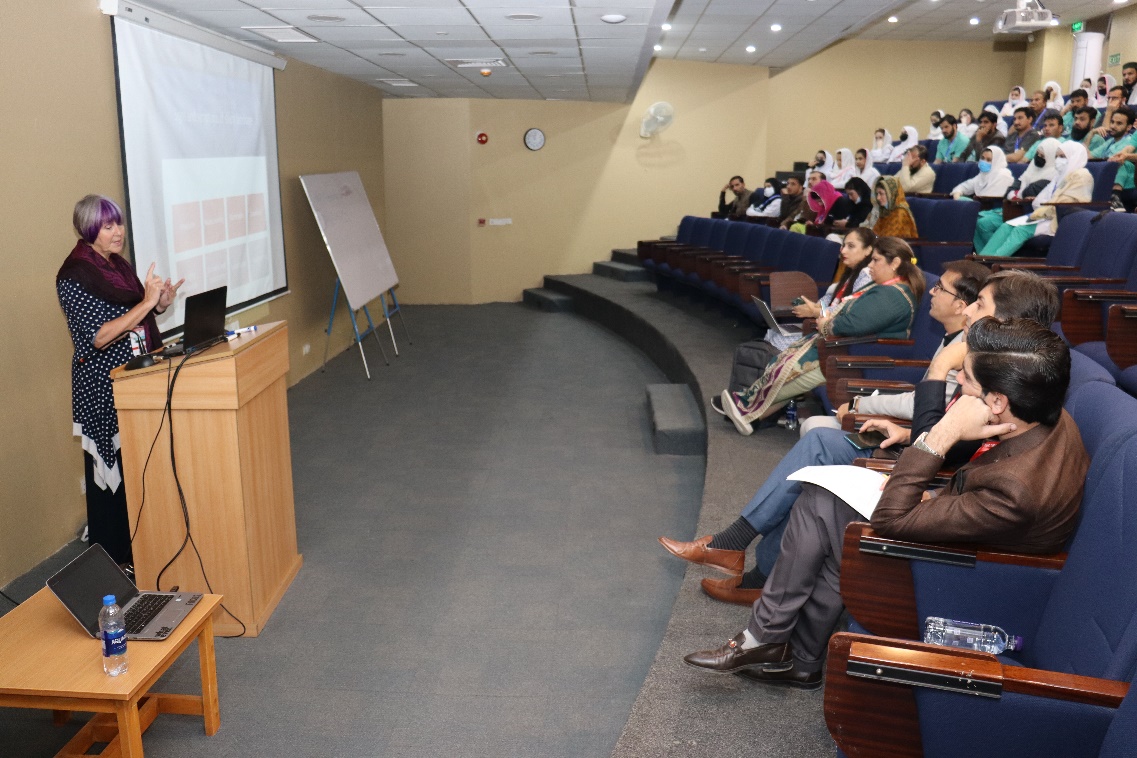
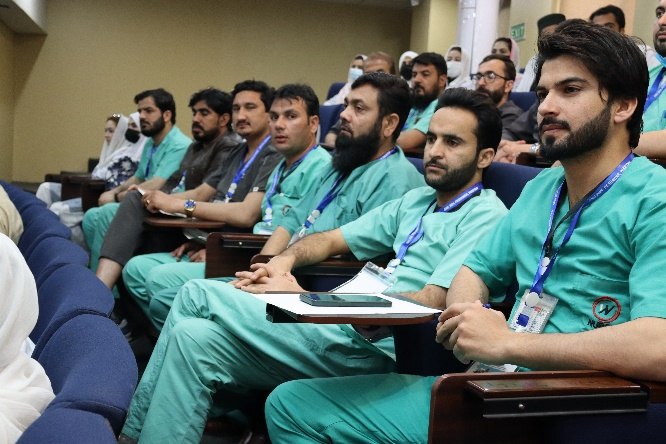
The Global Neuro-Nursing Course placed nursing professionals at the centre of neurosurgical education, bringing together clinical practice, rehabilitation, research, mentorship and advocacy within a multidisciplinary model of care.
Surgical systems depend on teams
Global surgery conversations can become too focused on surgeons alone. Yet safe neurological care depends on nurses who monitor patients, recognize deterioration, support recovery, coordinate care, educate families and contribute to clinical teams throughout the patient's journey.
The Global Neuro-Nursing Course addressed that reality directly.
A multidisciplinary curriculum
The program covered neurological-surgery nursing through several connected areas: education, clinical practice, rehabilitation, research, mentoring, and both patient and professional advocacy.
Speakers included Jenny Sacree of Sidra Medicine in Doha; Alvina Amin, Fozia Aftab and Anum Moiz from Aga Khan University Hospital; and Prof. M. Shahzad Shamim. Participants included nurses, neuro-RNs, physicians and critical-care nurses.
Rather than treating nursing as a supporting topic, the event created a dedicated environment in which nursing expertise became the subject of professional discussion.
Looking toward unified neurosurgical care
An expert panel of nurses and a neurosurgeon examined the future of unified neurosurgical care. That multidisciplinary structure is particularly relevant to global surgery because workforce limitations cannot be addressed by expanding one professional group in isolation.
Capacity building works when teams develop together.
Why it matters
For GSRH, this event provides a useful example of what genuine surgical-system strengthening can look like: investing in the entire care pathway and recognizing professional groups whose contribution may be underrepresented in global-surgery narratives.
Stronger surgical systems require stronger teams and nursing is central to that equation.
View programme photographs (4)